
Polyurea or Epoxy Garage Floor Coatings Which One Survives Wisconsin Winters Best
- Logen Doiel
- 4 days ago
- 4 min read

When Wisconsin winters hit, garage floors face some of the toughest conditions imaginable. Salt, snow, moisture, freezing and thawing cycles, and hot tires all challenge the durability of floor coatings. If you want a garage floor that lasts, choosing the right coating is critical. Two popular options are epoxy and polyurea coatings, but which one truly stands up to Wisconsin’s harsh climate?
This post compares epoxy and polyurea garage floor coatings, focusing on their performance in Wisconsin homes. You’ll learn about the strengths and weaknesses of each, so you can make an informed decision for your garage.
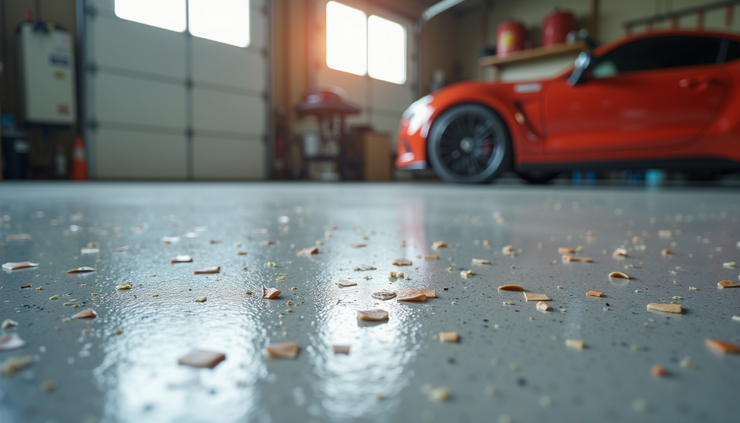
Why Wisconsin Winters Challenge Garage Floors
Wisconsin’s climate is tough on concrete floors. Here’s why:
Road salt and chemicals accelerate corrosion and damage coatings.
Freeze-thaw cycles cause expansion and contraction, leading to cracks.
Moisture and snow increase the risk of peeling and delamination.
Hot tires from vehicles can soften some coatings, causing marks or pickup.
Daily vehicle traffic wears down surfaces over time.
Traditional epoxy coatings have been a go-to for decades, but they often struggle under these conditions. Polyurea coatings, a newer technology, promise better resistance and longevity.
Epoxy Garage Floor Coatings: Pros and Cons
Epoxy coatings are made from a resin and hardener that chemically bond to concrete. They offer a glossy finish and are relatively affordable.
Advantages of Epoxy
Cost-effective compared to polyurea.
Good initial adhesion to clean, prepared concrete.
Wide range of colors and decorative options including flakes and metallic finishes.
Chemical resistance to many household substances.
Limitations of Epoxy in Wisconsin
Longer curing times can delay use of the garage.
Brittle nature makes epoxy prone to cracking under freeze-thaw stress.
Susceptible to peeling and chipping when exposed to road salt and moisture.
Hot tire pickup is common, where tires stick and pull up the coating.
UV sensitivity causes yellowing and degradation if exposed to sunlight.
For Wisconsin homeowners, these limitations mean epoxy floors may require frequent repairs or replacement after a few winters.
Polyurea Garage Floor Coatings: Why They Perform Better
Polyurea coatings are a type of elastomer that cures quickly and forms a flexible, tough surface. When combined with a polyaspartic topcoat, they create a highly durable finish.
Benefits of Polyurea for Wisconsin Garages
Fast installation and curing: Floors can be ready in hours, not days.
Superior flexibility: Polyurea expands and contracts with concrete, preventing cracks.
Strong adhesion: Bonds tightly to concrete, resisting peeling and delamination.
Resistance to hot tire pickup: Tires do not stick or damage the surface.
Protection from road salt and chemicals: Polyurea resists corrosion and staining.
UV stability: Maintains color and integrity even with sun exposure.
Decorative options: Flakes and colors add style and hide imperfections.
Easy cleaning and maintenance: Smooth, non-porous surface resists dirt and stains.
These features make polyurea coatings ideal for Wisconsin’s extreme weather and garage use.

Installation Differences and What to Expect
Epoxy coatings require extensive surface preparation and longer curing times, often 24 to 72 hours before the garage can be used. This can be inconvenient during Wisconsin winters when you want your garage ready quickly.
Polyurea coatings cure in just a few hours, allowing same-day use. The quick turnaround is a major advantage for busy homeowners.
Both coatings need the concrete floor to be clean, dry, and free of cracks or damage before application. Proper surface prep ensures adhesion and longevity.
Cost Comparison and Value Over Time
Epoxy coatings generally cost less upfront, with prices ranging from $2 to $5 per square foot. Polyurea coatings are more expensive, typically $5 to $10 per square foot.
While epoxy may seem budget-friendly initially, its shorter lifespan and higher maintenance needs can add up. Polyurea’s durability means fewer repairs and replacements, offering better value over time.
Real-World Example: Wisconsin Home Garage
A homeowner in Madison, WI, installed an epoxy coating on their garage floor. After two winters, the floor showed peeling near the garage door and tire marks from hot tires. They replaced it with a polyurea system, which has held up well through three winters with no visible damage or wear.
This example highlights how polyurea coatings better withstand Wisconsin’s harsh conditions.

Choosing the Right Coating for Your Wisconsin Garage
When deciding between epoxy and polyurea, consider:
How quickly you need the garage floor ready.
Your budget for upfront costs versus long-term durability.
The severity of winter conditions your garage faces.
Your preference for decorative options and maintenance ease.
Polyurea coatings provide a longer-lasting, more resilient surface that handles Wisconsin winters better. Epoxy may work for lighter use or milder climates but often falls short in harsh conditions.
Final Thoughts on Garage Floor Coatings in Wisconsin
Wisconsin winters demand garage floor coatings that resist salt, moisture, freeze-thaw cycles, and hot tires. Polyurea coatings deliver superior flexibility, adhesion, and durability, making them the best choice for homeowners who want a floor that lasts.


Comments